Summer camps have a lot to teach the traditional business world. As one of the most long-standing and recession resilient industries around, summer camps have gotten some things absolutely right. I believe the three most important lessons that corporations can learn from summer camp are:
1) Improvisation wins the day

The late, great John Wooden said that adaptability was key in constructing a winning culture for UCLA’s men’s basketball team. For teams in all contexts, adjusting quickly to the challenges a new day presents is paramount for success. Decisively and deliberately improvising in new environments is something I saw camps do better than many other business I’ve observed.
I saw first year counselors spring into action, barking out clear orders while using eye contact and names, when responding to a woodworking injury. I saw division leaders fabricate on the spot an elaborate history of a pig-latin opera world tour while in front of an audience of 300 campers and counselors, captivating all. I saw directors handle novel parental inquiries in stride, from testifying in divorce court proceedings to soothing a “camp sick” parent (a parental experience opposite to homesickness) in another language, and thereby instilling confidence in the leadership team that any and all curveballs could be handled.
Camp forces its professionals to think on their feet, a skillset that translates directly to the corporate world. Conventional businesses say “evolve or die,” and it’s the summer camp industry and its professionals best positioned to do so.
Corporate America should take this lesson from summer camp, allowing junior team members to improvise, learn, and grow in order to become deliberate and resourceful leaders. Further, in both hiring and promotion discussions, targeting talent that has a track record of adaptiveness should be a business imperative.
2) Ritual provides comfort and connection
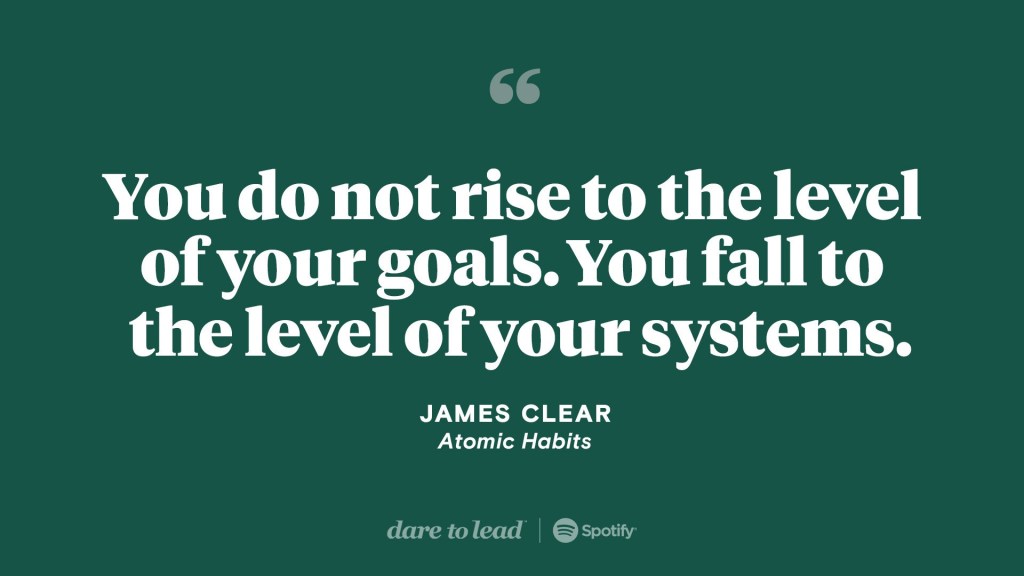
Author James Clear succinctly summarizes the super power of systems in his book Atomic Habits. Summer camp knows well the influence that routines and rituals can have on people’s lives. A nightly huddle on the floor of the cabin by candle-light allows young campers the ability to share with the group, simultaneously owning the spotlight and crystallizing learnings from the day. Adherence to a predictable schedule, where campers can depend on eating breakfast at 9am and climbing a rock wall at 10am, provides comfort and security. A daily hygiene and morale check conducted by counselors of each member of his/her cabin ensures that minor maladies are addressed early on.
Corporate America should take this lesson from summer camp, re-investing in the routines and schedules that foster professional development and team morale. From regularly scheduled feedback sessions to a repeatable team meeting agenda, businesses can adopt some ritualistic aspects of summer camp and be better for it.
3) The body, spirit, and mind cannot be disentangled
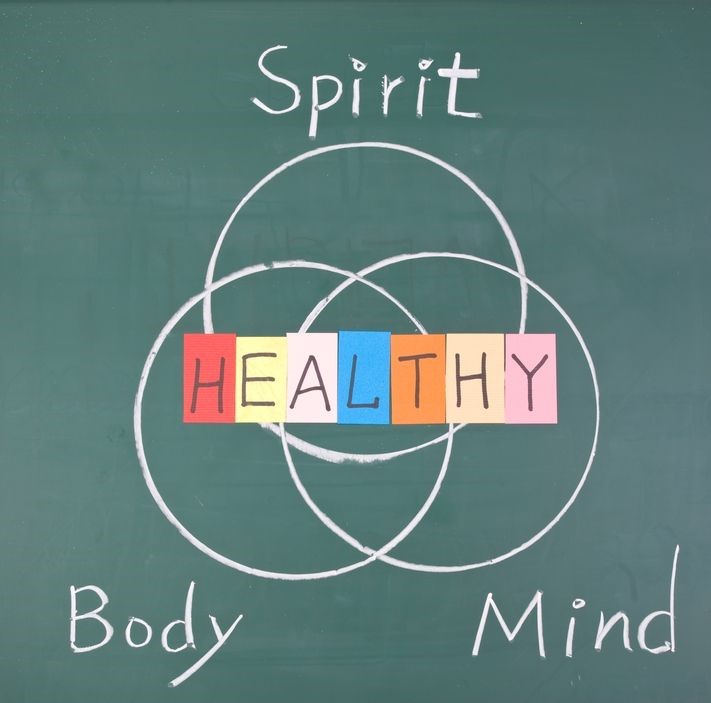
No place advances the cultivation of the full child more than summer camp. The creation of lifelong friendships, the exploration of novel experiences and ideas, the dedication towards improving existing skillsets… these are all things summer camps promote in spades. We know that it is the multifaceted person that wins the day, and the depth and breadth of activities at camp do well to develop children into this person.
Corporate America should take this lesson from summer camp, making sure employees are attending to all aspects of themselves. I saw one camp excel at this where staff was expected to self-define and seek out “one hour of fun” throughout their 15-hour work day. This initiative led to pickleball tournaments, gourmet bake-offs, and large-scale yoga sessions… and of course, improved staff morale. Imagine if businesses expected this of their employees, and provided them with the structure and resources to execute on it… work may feel less like work and more like camp. And who wouldn’t want that?
What other lessons can corporations learn from camps? Let me know in the comments and look out for my next post on what camps can learn from the traditional business world.
 The Camp Consultant
Leave a comment